
Finding an affordable solution for missing teeth can feel like an impossible task, especially when you hear quotes that make your jaw drop—often literally. The search for a low-cost dental implant in Canada is a journey many are on, but it doesn't have to end in frustration. With the right knowledge and strategies, a durable, confident smile is more accessible than you might think.
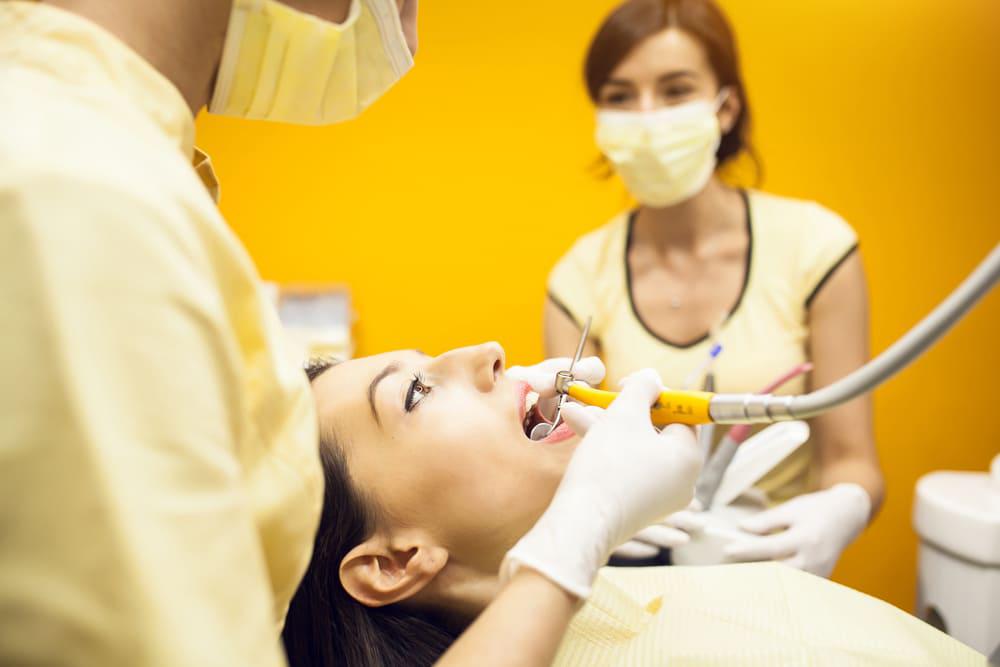
The Stark Reality: Why Cost is a Major Barrier in Canada 🦷
First, it's crucial to understand the landscape. You are not alone in your struggle with cost. Recent, sobering statistics from the Canadian Oral Health Survey reveal the depth of this issue.
One of the most telling figures is that one in four Canadians (24%) avoided visiting a dental professional in the past year because of cost. This barrier is even higher for those who would qualify for national assistance, with nearly half (47%) of potential Canadian Dental Care Plan (CDCP) eligible individuals avoiding care.
Let's break down who is most affected by this financial strain:
| Demographic Group | Key Statistic on Cost Avoidance | Likely Reasons |
|---|---|---|
| Young Adults (18-34) | 32% avoided a dental visit due to cost. | Often in part-time, contract, or early-career jobs without employer benefits. |
| Young Women (18-34) | A striking 38% reported cost as a barrier. | Higher likelihood of part-time work and gaps in insurance coverage. |
| Racialized Canadians | 33% avoided care, compared to 21% of non-racialized Canadians. | Highlights systemic disparities in income and access to insured employment. |
| Uninsured, Lower-Income (<$90k) | A full 50% avoided visiting a professional due to cost. | Directly shows the critical need for public support programs. |
Beyond the statistics, the financial reality is clear. A single dental implant in Canada can cost between $3,000 to $6,000, depending on complexity, materials, and location. When nearly a third of young adults are skipping care altogether, it's no wonder that implants feel out of reach for many.
Pathway 1: Navigating Public Dental Programs
Your first and most powerful step should be to investigate publicly funded programs. Canada has a mix of federal and provincial plans designed to help.
The Canadian Dental Care Plan (CDCP): A Game Changer
This is the most significant development in accessible dental care in decades. The CDCP is a federal plan intended to help up to 9 million eligible Canadian residents. As of late 2025, over 5.2 million people have already enrolled, with nearly half of them accessing dental care for potentially the first time.
Key Things to Know About the CDCP: * Eligibility: It is designed for residents with an adjusted family net income under $90,000 who do not have access to private dental insurance. You may still qualify if you have coverage through a provincial social program. * Coverage for Implants: The CDCP has expanded. While basic care like cleanings and fillings are covered, services like crowns and partial dentures now require pre-approval. For a dental implant—which involves surgery, a post, and a crown—your dentist would need to submit a detailed case to the plan for assessment. This means implants are not automatically covered, but they are not automatically excluded either. It requires your dentist to advocate for the medical necessity of the treatment. * Impact: The plan is making a real difference. On average, patients are saving around $800 per year on their dental care through the CDCP. You can check your eligibility and apply through the official Government of Canada website.
Provincial and Community Programs
Don't overlook programs closer to home. All provinces and territories have some form of targeted public dental coverage, though they vary widely. * For Children & Youth: Programs like Healthy Smiles Ontario cover basic and emergency services for eligible children and teens from lower-income families. * For Seniors: Many provinces have dedicated seniors' dental programs. For example, the Ontario Seniors Dental Care Program covers a wide range of services, including dentures, for qualifying low-income seniors. * Local Public Health & Community Clinics: These are invaluable resources. Organizations like Grey Bruce Public Health operate clinics that provide government-funded services. Furthermore, non-profit community clinics, such as the Vancouver Aboriginal Health Society (VAHS) Dental Clinic, offer a full range of services—including Straumann or Astra implants for select cases—on a sliding scale or at reduced costs for those with little to no coverage.
Pathway 2: Smart Strategies for Reducing Out-of-Pocket Costs
If you don't qualify for public programs or need to bridge a funding gap, these proactive strategies can significantly lower your bill.
1. Consult Dental Schools 🎓
University dental faculties are one of Canada's best-kept secrets for affordable, high-quality care. Dental students perform procedures under the close supervision of licensed professors and specialists. The fees are typically 30-50% lower than at private clinics. The trade-off is that appointments can be longer. It's an excellent way to get expert-led care at a fraction of the cost.
2. Compare, Compare, Compare 🔍
Never accept the first quote you receive. The cost of an implant can vary dramatically based on: * Location: Clinics in major urban centres often have higher overhead than those in smaller cities or towns. * Dentist's Expertise: A specialist (periodontist or oral surgeon) may charge more than a general dentist with implant training. * Materials: The brand of the implant (titanium vs. zirconia) and the type of crown (porcelain-fused-to-metal vs. all-ceramic) affect the price. Action Step: Get at least three detailed, written treatment plans from different clinics. Ask what is included in the quote (surgery, implant post, abutment, crown, all follow-up visits) and what isn't (bone grafts, sedation).
3. Ask About Package Deals & Financing
If you need more than one implant, always ask if the clinic offers a package price for multiple implants. Many clinics provide a discount for bundling procedures. For large expenses, patient financing plans can be a lifeline. Companies like Dentalcard by iFinance Canada offer medical loans specifically for dental work, allowing you to spread payments over 12 to 84 months with no upfront deposit. This transforms a large, impossible sum into a manageable monthly budget line.
To help you visualize your options, here's a comparison of the different affordability pathways:
| Option | Potential Savings | Best For... | Key Consideration / Tip |
|---|---|---|---|
| Canadian Dental Care Plan (CDCP) | Up to 100% of approved fees (based on income). | Uninsured individuals/families with a net income <$90,000. | Pre-approval is likely required for implants. Work with a CDCP-registered dentist. |
| Provincial Programs (e.g., Seniors/Children) | Full coverage for eligible services. | Low-income seniors, children, and youth meeting specific criteria. | Coverage varies by province. Check your provincial health website for details. |
| University Dental Schools | 30-50% off standard fees. | Patients flexible with longer appointment times. | Waitlists can be long. Book a consultation early. |
| Non-Profit Community Clinics | Sliding scale fees; significant discounts. | Individuals with very limited income and no insurance. | Eligibility and services vary. Clinics like VAHS in Vancouver may offer implants. |
| Clinic Financing Plans | Makes treatment immediately accessible. | Anyone who needs to budget a large expense over time. | Compare interest rates and terms. Ensure there are no hidden fees. |
Your Action Plan: Steps to Take This Week
- Check Your Eligibility: Your first stop should be the official Canadian Dental Care Plan website. Complete the eligibility checker. Simultaneously, search for "[Your Province] seniors dental program" or "[Your Province] children's dental program" if applicable.
- Research Local Resources: Look up the dental faculty at the nearest major university (e.g., University of Toronto, University of British Columbia, Université de Montréal). Find their patient clinic contact information. Also, search for "community dental clinic" or "public health dental clinic" in your city or region.
- Book Consultations: Schedule at least three consultations: one with a CDCP-registered private clinic (if eligible), one with a university dental school, and one with another private clinic for comparison. Come prepared with a list of questions.
- Ask the Right Questions:
- "Can you provide a complete, itemized cost estimate?"
- "Do you work with the CDCP/prepare pre-authorization requests?"
- "What are all my payment options, including in-house plans or third-party financing?"
- "What is the warranty on the implant and the crown?"
Finding an affordable dental implant in Canada requires patience, research, and advocacy. By leveraging public programs, exploring alternative clinics like dental schools, and using smart financial strategies, you can move forward with your treatment without being overwhelmed by the cost. Remember, investing in your oral health is an investment in your overall well-being, confidence, and quality of life. Start your search today—a more affordable solution is waiting for you. 😊