
In today's fast-paced financial landscape, credit cards have become essential tools for managing expenses, building credit, and earning rewards. But how many credit cards are too many? ? The answer isn't straightforward, as it depends on various factors, including your financial habits, credit score, and overall financial goals. In this blog, we will explore the concept of application velocity, the impact of multiple credit cards on your credit score, and provide you with valuable statistics to help you make informed decisions.
Understanding Application Velocity
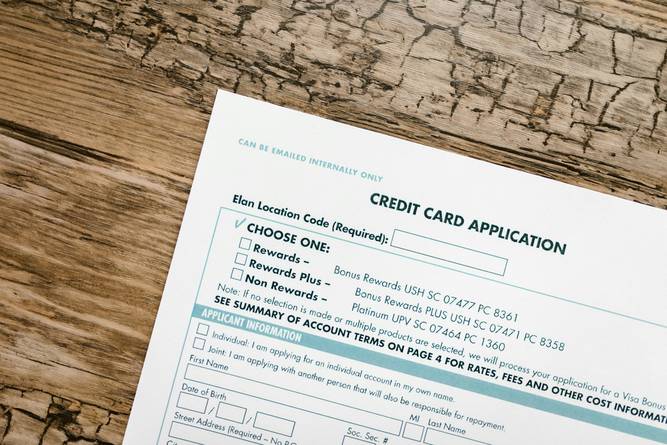
Application velocity refers to the rate at which you apply for new credit accounts, including credit cards. Lenders often view multiple applications in a short period as a sign of financial distress, which can negatively impact your credit score. According to FICO, a leading credit scoring model, each hard inquiry can lower your score by up to 5 points. ?
The Impact of Multiple Credit Cards on Your Credit Score
Having multiple credit cards can be a double-edged sword. On one hand, they can help improve your credit utilization ratio, which is a significant factor in your credit score. On the other hand, too many cards can lead to increased debt and potential financial strain.
Here’s a breakdown of how credit utilization affects your score:
| Credit Utilization Ratio | Impact on Credit Score | Recommended Ratio |
|---|---|---|
| 0% | Excellent | 1% - 10% |
| 1% - 10% | Good | 10% - 30% |
| 30% - 50% | Fair | 30% - 50% |
| 50%+ | Poor | Below 50% |
As you can see, maintaining a low credit utilization ratio is crucial for a healthy credit score. If you have multiple cards, it’s essential to manage your balances wisely to keep this ratio in check.
How Many Credit Cards Should You Have?
The ideal number of credit cards varies from person to person. However, studies suggest that having three to five credit cards is optimal for most individuals. This range allows you to benefit from rewards programs, improve your credit utilization, and maintain a healthy credit mix without overwhelming yourself.
Statistics on Credit Card Ownership
Here are some interesting statistics regarding credit card ownership in the United States:
| Statistic | Percentage (%) |
|---|---|
| Adults with at least one credit card | 70% |
| Adults with three or more credit cards | 40% |
| Average number of credit cards per adult | 2.7 |
| Credit card debt in the U.S. (2023) | $930 billion |
These statistics highlight the prevalence of credit cards in American households and the importance of managing them wisely.
The Risks of High Application Velocity
Applying for multiple credit cards in a short time frame can lead to several risks, including:
- Credit Score Drop: As mentioned earlier, each hard inquiry can lower your score. If you apply for several cards at once, the cumulative effect can be significant.
- Debt Accumulation: More cards can lead to more spending, which may result in unmanageable debt levels. ??
- Difficulty in Management: Juggling multiple due dates and payment schedules can be overwhelming, leading to missed payments and late fees.
Tips for Managing Multiple Credit Cards
If you decide to have multiple credit cards, here are some tips to manage them effectively:
| Tip | Description |
|---|---|
| Set Up Automatic Payments | Ensure you never miss a payment by automating your bills. |
| Use a Budgeting App | Track your spending and stay within your limits. ? |
| Monitor Your Credit Score | Regularly check your credit score to stay informed. |
| Limit New Applications | Space out your credit card applications to minimize hard inquiries. |
Conclusion
In conclusion, the question of how many credit cards is too many depends on your financial situation and habits. While having multiple cards can offer benefits, it’s essential to manage them wisely to avoid negative impacts on your credit score. By understanding application velocity and maintaining a healthy credit utilization ratio, you can make informed decisions that align with your financial goals.
For more insights on credit management, check out resources like NerdWallet and Credit Karma. Remember, the key to successful credit card management is balance and awareness! ?